


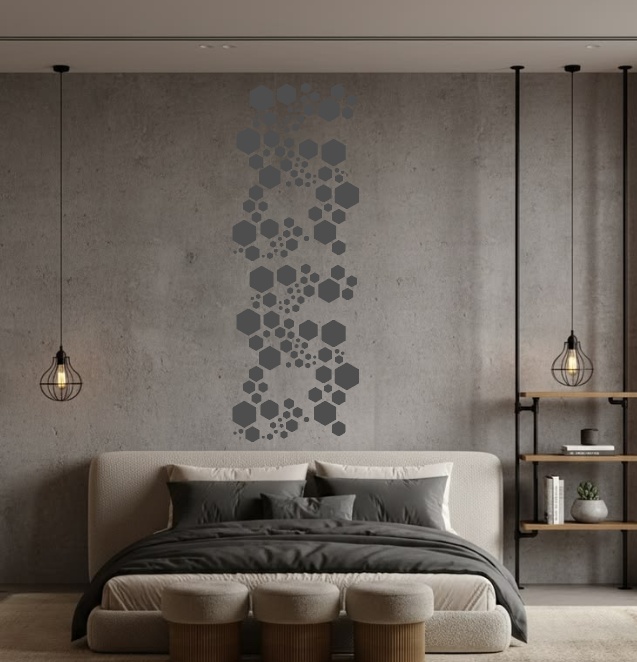
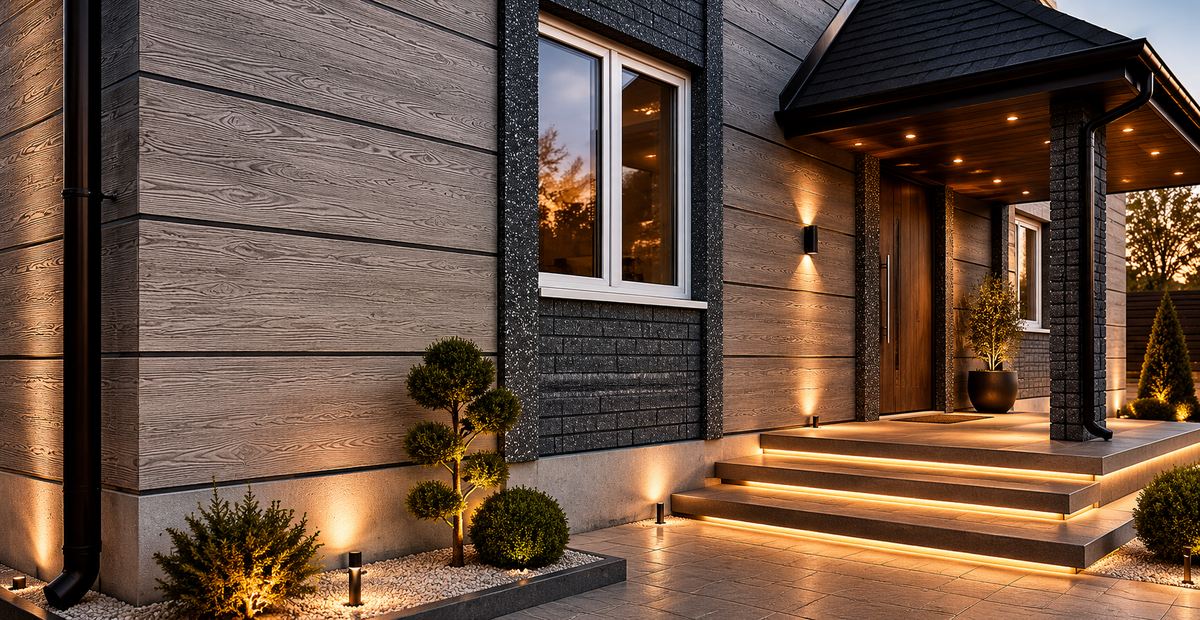
We all dream of a home that looks like it stepped straight off the pages of an architectural magazine. Features like a rustic accent wall covered in aged brick or the warm, texturized look of natural wood planks are timeless. They add character, depth, and that high-end premium feel to any space.
However, when you start looking into the reality of home renovation, the excitement often fades. Real brick slips, professional masonry, and high-grade timber planks come with a jaw-dropping price tag. Add the cost of labor, the mess of construction, and the days of disruption, and your dream project suddenly feels out of reach.
But what if you could achieve the exact same aesthetic for 3 to 4 times less?
Thanks to premium DIY solutions from DFA Decor, you don't have to compromise on your vision. By using a high-quality wood plank stencil or a brick effect stencil, you can replicate these luxury textures flawlessly on a budget. Let’s dive into how you can transform your home with ease and inspiration.
The Real Cost of Premium Textures (And the Smart Alternative)
When planning a renovation, homeowners usually face two major problems: skyrocketing material costs and complicated installation.
Installing real wood cladding or brick veneer requires specialized tools, structural reinforcement (bricks are heavy!), and often professional builders. If you are renting or love updating your decor every few years, these permanent and expensive choices just don’t make sense.
This is where stenciling becomes a game-changer. Instead of buying and installing heavy materials, you use the power of illusion and depth. A premium brick effect stencil allows you to recreate the classic look of loft-style exposed brick using just paint or plaster. Similarly, a wood plank stencil mimics the organic grain and lines of natural timber directly on your drywall, floors, or furniture.
The result? The same visual impact, a fraction of the cost, and 100% of the satisfaction.
What Type of Material is a Stencil?
If you’ve ever tried cheap, paper-thin stencils from mass markets, you might be skeptical. You might worry about paint bleeding, tears, or the stencil warping after one use.
That’s why understanding what type of material is a stencil made of is crucial for a professional finish. Premium stencils, like those designed by DFA Decor, are crafted from high-quality, durable, and flexible plastics (like reusable Mylar or specialized silicone).
-
Durability: They are thick enough to hold their shape perfectly—even when using thick decorative plasters for a 3D effect—yet flexible enough to bend around corners.
-
Reusability: You can wash them easily and reuse them for multiple walls or projects.
-
Precision: Laser-cut edges ensure crisp lines, which is exactly what you need to make paint look like real brick or wood.
For an even more realistic, tactile experience, you can also explore the advanced DFA Decor Silicone Stamps & Mats collection, which allows you to stamp authentic, deep textures into plaster or clay seamlessly.
How Easy is It to Stencil a Wall? (Step-by-Step Guide)
A common fear among DIY beginners is: "how easy is it to stencil a wall?" The honest answer? It is incredibly simple, even if you’ve never held a paintbrush before. It doesn't require architectural skills—just a little patience and the right technique.
Here is a quick guide to getting a flawless look:
-
Prep the Surface: Clean your wall and apply a base coat. For a brick wall, this base coat will become your "mortar" line color.
-
Secure the Stencil: Position your stencil and hold it firmly in place using low-tack painter's tape or a light layer of spray adhesive.
-
The "Dry" Brush Secret: The number one rule of stenciling is less is more. Dip your roller or stencil brush into the paint, and then wipe most of it off on a paper towel. The brush should be almost dry to prevent paint from bleeding under the edges.
-
Apply and Repeat: Roll or dab the paint gently over the cutouts. Once done, peel the stencil away to reveal your design, align it with the registration marks, and move to the next section.
If you are using a DFA Fasade Bricks stencil with structural plaster, you simply apply the putty through the stencil with a trowel, smooth it out, and peel the stencil back to reveal a gorgeous, realistic 3D brick wall.
Inspiration for Your Next Home Upgrade
The beauty of stencils and stamps is their absolute versatility. You aren't limited to just one accent wall. You can bring inspiration to every corner of your home:
-
The Living Room: Create a cozy, industrial loft vibe with an aged red brick faux-wall behind your TV or fireplace.
-
The Bedroom: Use a wood-grain stencil to create a stunning, Scandinavian-style faux timber headboard.
-
Furniture Upcycling: Turn a plain, cheap chest of drawers into an expensive-looking piece of art by stamping a wood-plank texture onto the drawer fronts.
Elevate Your Space with DFA Decor Today
Achieving a high-end, designer look doesn’t mean you have to drain your savings account or endure weeks of stressful construction dust. With the right tools, your home can become your favorite creative canvas.
Ready to transform your space with confidence and style? Explore the full range of premium DIY solutions on DFA Decor. Discover the incredibly realistic options in the DFA Decor Fasade Bricks collection for that perfect architectural touch, or browse the unique texture-makers in the DFA Decor Silicone Stamps & Mats collection.
Beautiful, premium home decor is finally accessible, affordable, and completely in your hands.
Share:
Transform Your Space for Less: BUY 2, GET 1 FREE!
Bold by Design: How DFA's Global Online Presence Brings Custom Stencil Art to Every Corner of the World